Car Stuck in a Flooded Basement in Bangalore? A Step-by-Step Recovery Guide
Bengaluru detailing guide11 min read

Car Stuck in a Flooded Basement in Bangalore? A Step-by-Step Recovery Guide

By Royal Royce Team

Quick answer: If your car was in a flooded basement, don’t start it. Water in the engine can cause hydrostatic lock, and damage from cranking a flooded engine is often not covered by insurance. Photograph the water level, tell your insurer the same day, get the car towed to a workshop, and start drying the cabin within 24 to 48 hours to stop mould.

The call usually comes early in the morning. The society WhatsApp group lights up with videos of the basement: brown water up to the number plates, a security guard wading through it, someone’s dashcam blinking under water. Your car is somewhere in there.

What you do in the next two days decides whether this is an expensive inconvenience or a write-off. This guide walks through it in order, from the moment you see the video to the day the car smells normal again.
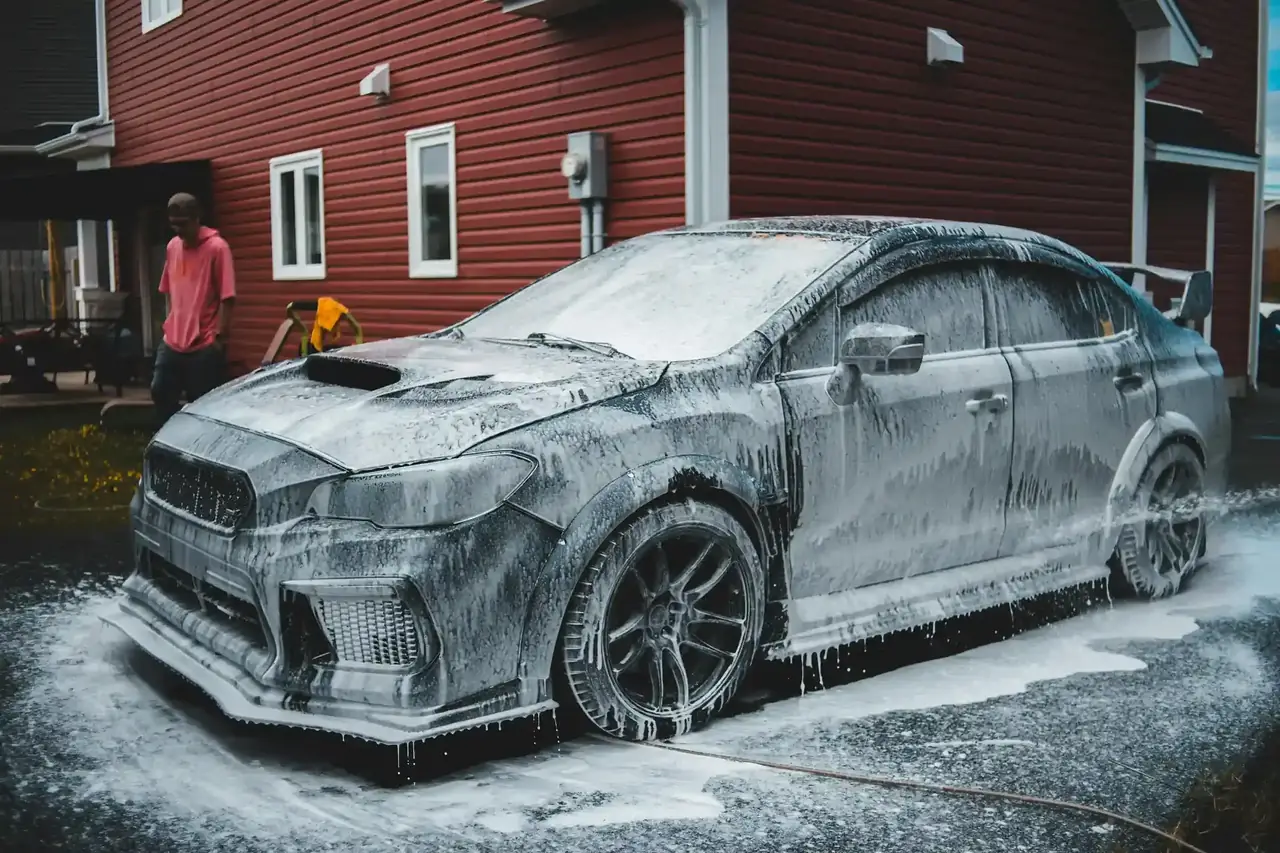
Full car spa service in progress01

Why Bangalore basements flood

Bangalore’s flooding is fast and local. Heavy bursts overwhelm stormwater drains, lakes overflow into the layouts built around them, and water runs down basement ramps that were never designed to keep it out.

It keeps happening in the same kind of places. In May 2025, Sai Layout received nearly 40 mm of rain in 24 hours, and residents reported partially submerged vehicles, according to UNI. In October 2025, overnight rains left Rainbow Layout, Neeladri Nagar in Electronic City, Indiranagar, HSR Layout and stretches of the Outer Ring Road waterlogged, per Business Standard. Apartment complexes near lakes on Sarjapur Road and in the Mahadevapura belt see the same pattern most years.

If your building’s basement has flooded once, assume it can flood again, and prepare (there’s a section on that at the end).

Car detailing service in progress02

First: how high did the water go?

The water level decides how serious the damage is. Look at the videos, then at the tide line on the car once the water drains.

Water level

What it usually means

Likely next step

Below the floor (tyres, wheel arches)

Underbody, brakes and wheel bearings wet; cabin usually dry

Inspection, underbody rinse, brake check

Up to the floor or door sills

Carpets, underlay and floor wiring soaked

Tow, workshop check, full interior drying

Up to the seats

Seat foam, under-seat wiring and modules soaked

Tow, electrical check, seat removal and drying

Up to the dashboard or above

Electronics, engine intake and possibly engine exposed

Tow, insurer survey, possible total loss

Take clear photos and a short video of the tide line, inside and out, before anything is moved or dried. Your insurer will want to see how high the water rose.

Car detailing service in progress

Get a free quote

Get your quote in minutes on WhatsApp.

Get my quote
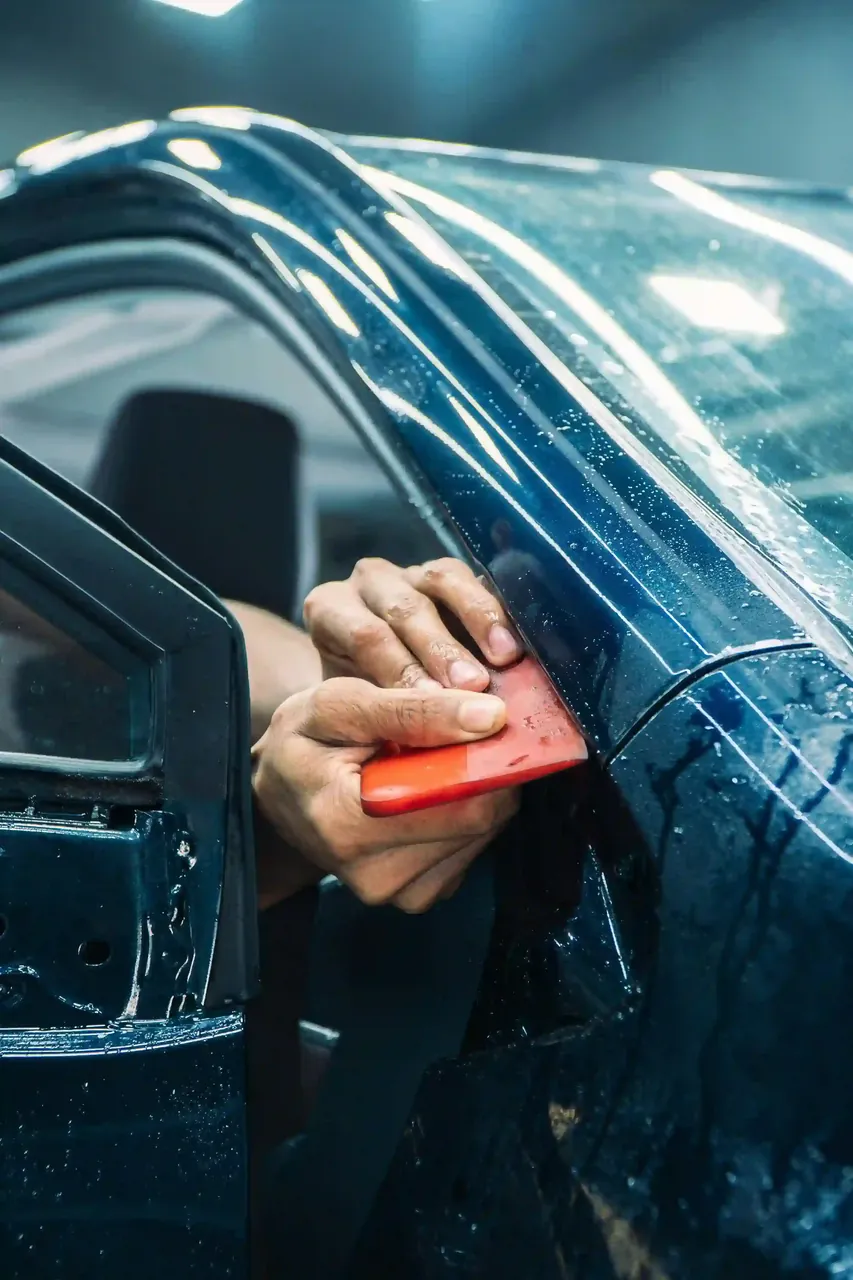
Paint protection film being applied to a car03

The first 24 hours, step by step

1. Stay safe

Don’t wade into a basement that is still flooded. Water can hide open drains, and flooded basements can have live electrical faults. Wait for the society or fire services to pump it out and for power to be confirmed safe.

2. Don’t start the car

This is the single most important rule. If water has reached the engine’s air intake, turning the key can draw water into the cylinders. Water doesn’t compress, so the pistons hit it and the engine can lock or bend internal parts. That’s called hydrostatic lock.

It also matters for your claim. As The News Minute, via The Quint, put it after the 2022 Bengaluru floods, damage caused by starting a submerged car is not treated as flood damage, and a fully damaged engine can cost around ₹1.5 lakh to repair. Don’t crank it, don’t jump-start it, and tell family members not to try either.

3. Disconnect the battery, if it’s safe

Once the water is gone and the area is safe, disconnecting the negative battery terminal reduces the risk of short circuits in wet wiring. If you’re not comfortable doing it, leave it for the tow driver or mechanic.

4. Call your insurer

Report it the same day, through the insurer’s app, website or helpline. Note the claim number. Ask whether they want to send a surveyor to the basement or have the car towed to a network garage.

5. Get it towed

Flat-bed towing to a workshop, not driving and not a rope tow. Many comprehensive policies and roadside assistance add-ons include towing; check yours.

6. Start drying the cabin

Mould starts quickly. The US EPA advises drying wet materials within 24 to 48 hours to prevent mould growth. If the car is going to sit at the workshop for days waiting for a surveyor, ask whether you can open the doors, remove the floor mats and get water out of the footwells in the meantime. Take photos first so nothing you do can be questioned later.

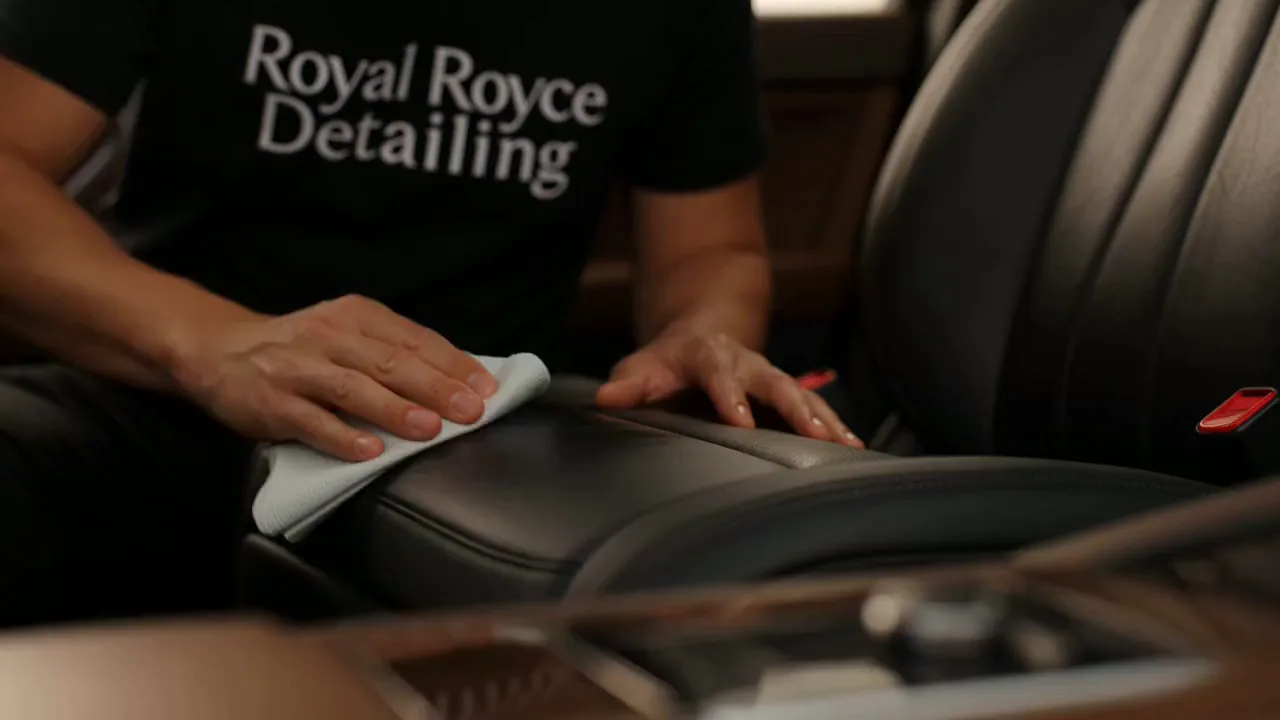
Ceramic coating being applied to a car04

Does car insurance cover flood damage in Bangalore?

It depends on your policy, and the details matter.

  • Third-party only: no cover for damage to your own car.

  • Comprehensive: flood damage is generally covered as a natural calamity, as The Quint’s guide notes. That usually includes the interior, electricals and body.

  • Engine damage: often the exception. ICICI Lombard says standard policies exclude hydrostatic lock, and an engine protection add-on is needed to cover water damage to engine parts.

  • Deductibles and depreciation: you’ll pay the compulsory deductible, and depreciation on parts unless you have a zero-depreciation add-on.

When you renew, read your add-ons. If you park in a basement that has flooded before, engine protection and zero depreciation cost little compared with a single engine repair.

Royal Royce Detailing service05

Drying and cleaning the interior properly

Once the mechanic has checked the engine and electricals, the cabin needs real work. Floodwater in a city basement is not rainwater. It’s a mix of storm drain run-off, sewage overflow, silt and whatever was on the basement floor. The US CDC notes that leptospirosis risk, spread through the urine of infected animals including rats, often rises after floods. Treat everything the water touched as contaminated.

Here’s what proper drying and cleaning involves:

  1. Remove what can come out. Floor mats, boot carpet, spare wheel cover, child seats and anything stored in door pockets.

  2. Extract the water. A wet-dry vacuum pulls water out of carpets and the underlay beneath them. The underlay holds far more than you’d think.

  3. Lift the carpet where needed. If water reached the seats, a workshop may need to remove seats and lift the carpet so the underlay and floor pan can dry. Wet underlay left in place is the most common cause of a car that smells for months.

  4. Dry with airflow. Doors open, fans or air movers, and sun where possible. Don’t seal the car up overnight while it’s still damp.

  5. Clean and sanitise. Once dry, seats, carpets, belts and trims need shampoo extraction and steam to kill bacteria and mould spores. Steam uses little water, so it doesn’t re-soak the foam.

  6. Check the dark corners. Under the seats, seat rails, the spare wheel well and the bottom of door cards hold silt and water longest.

  7. Replace the cabin air filter if water or silt reached it.

The EPA notes that porous materials that have gone mouldy, carpet included, sometimes have to be replaced rather than cleaned. A badly soaked underlay or seat foam may be cheaper to replace than to save; your workshop and insurer will decide that.

Our steam sanitisation interior clean and interior deep cleaning cover the cleaning and sanitising steps once the mechanical and electrical checks are done. What each level of cleaning typically costs is in our car interior cleaning price guide.

Full car spa service in progress06

Signs the flood damage isn’t finished

A car can look fine and still have problems weeks later. Watch for:

  • A musty smell that comes back after cleaning, usually wet underlay or foam. See our guide to mould and fungus in cars; it’s written for Mumbai’s monsoon, but the fix is the same.

  • Fogging glass on dry days, which means moisture is still trapped in the cabin.

  • Electrical faults that come and go: power windows, central locking, warning lights, infotainment.

  • Rust spots on seat rails, bolts and the floor pan.

  • Brake noise from silt in the brakes.

  • Rats. A car that sat in a damp basement and still smells of food or silt can attract rodents. Our guide to rats in cars covers what to look for.

If any of these show up, go back to the workshop and the insurer early. Claims are easier while the event is recent.

Car detailing service in progress07

The underbody needs attention too

Floodwater sits in box sections, sills and seams after it drains. Ask the workshop for an underbody rinse and inspection, and check it again a few weeks later for fresh rust. Our underbody anti-rust coating guide explains how underbody protection works and what a proper job involves.

Paint protection film being applied to a car08

Preparing before the next flood

If your basement has flooded before, these steps reduce the damage next time:

  • Watch the forecast. When the IMD issues heavy rain alerts for Bengaluru, move the car to street level or the highest parking level if your building has one.

  • Ask the society about a flood plan: pump maintenance before the rains, a ramp barrier, and a WhatsApp alert when water starts entering.

  • Check your insurance before June: comprehensive cover, engine protection and zero depreciation.

  • Keep the car’s papers out of the car. A soaked RC and insurance copy is an extra headache.

  • Know your workshop and towing number in advance.

Ceramic coating being applied to a car09

What to give your insurer and the surveyor

Claims after a flood go faster when the paperwork is ready before the surveyor arrives. Keep these together, on your phone and in a folder:

  • ☐ Policy number and a copy of the policy, including add-ons

  • ☐ Registration certificate (RC) and your driving licence

  • ☐ Photos and videos of the car in the water, and of the tide line after it drained

  • ☐ Photos of the society basement and any society notice about the flooding

  • ☐ News reports or IMD alerts for that date, if available

  • ☐ The towing receipt

  • ☐ The workshop’s inspection report and repair estimate

  • ☐ A note of the date and time you first found the car, and when you reported it

Two things help most. First, a clear record that you didn’t try to start the engine; tell the surveyor plainly, and say who else had the keys. Second, don’t let the workshop begin repairs until the surveyor has inspected the car and the insurer has approved the work, unless the insurer tells you otherwise.

If several cars in your basement were damaged, residents sometimes coordinate with the society to share photos and a single incident report. It saves every owner from having to prove the same event separately.

Full car spa service in progress10

Interior cleaning in Bangalore

Royal Royce cleans cars at your doorstep across Bangalore, including HSR Layout, Indiranagar and Electronic City. After a flood, we come in once your mechanic has cleared the car to run, and focus on deep cleaning and sanitising the cabin. We need water and a power point at your parking. Contact our Bangalore branch. If damp, stained seats are the main issue, our car upholstery cleaning guide for Bangalore goes into seats in more detail.

Car detailing service in progress11

Sources

Ceramic coating being applied to a car

Get a free Bengaluru quote

3 details. We call you back. No spam.

Frequently asked questions

What should I do if my car is flooded in a basement?

Don’t start it. Photograph the water level, inform your insurer the same day, get the car flat-bed towed to a workshop, and start drying the cabin within 24 to 48 hours.

Can I start my car after it was submerged?

No. Water in the engine can cause hydrostatic lock, and damage from cranking a flooded engine is often not covered by insurance.

Does car insurance cover flood damage?

Comprehensive policies generally cover flood damage as a natural calamity. Third-party policies don’t. Engine damage from water usually needs an engine protection add-on.

What is hydrostatic lock in a car?

It’s when water enters the engine’s cylinders. Water can’t be compressed, so the pistons are blocked and engine parts can bend or break.

How long does it take for mould to grow in a flooded car?

Wet materials that aren’t dried within 24 to 48 hours can start growing mould, according to the US EPA.

Do flooded car carpets need replacing?

Sometimes. Carpets and underlay can often be extracted, dried and sanitised, but badly soaked or mouldy underlay may need replacing. The workshop and insurer will decide.

How do I get rid of the smell after my car was flooded?

Remove the source: wet underlay, foam or silt. Then dry fully and steam clean. Fragrance alone won’t fix it.

Is floodwater in a car dangerous to clean?

It can be contaminated with sewage and animal urine. Wear gloves, avoid touching your face, and wash your hands well. Leptospirosis risk rises after floods.

Should I disconnect the battery after a flood?

If it’s safe to reach, disconnecting the negative terminal reduces short-circuit risk. Otherwise leave it to the mechanic.

Can Royal Royce clean a flood-damaged car interior?

Yes, once a mechanic has cleared the car. We deep clean and steam sanitise the cabin at your doorstep in Bangalore.


Explore our services

See all →

Where we work

4 cities
Mumbai
CityMumbai
Delhi NCR
CityDelhi NCR
Bengaluru
CityBengaluru
Hyderabad
CityHyderabad
Royal Royce Detailing service

Ready to book your detailing?

Free quote in minutes.

Get quote on WhatsAppCall us