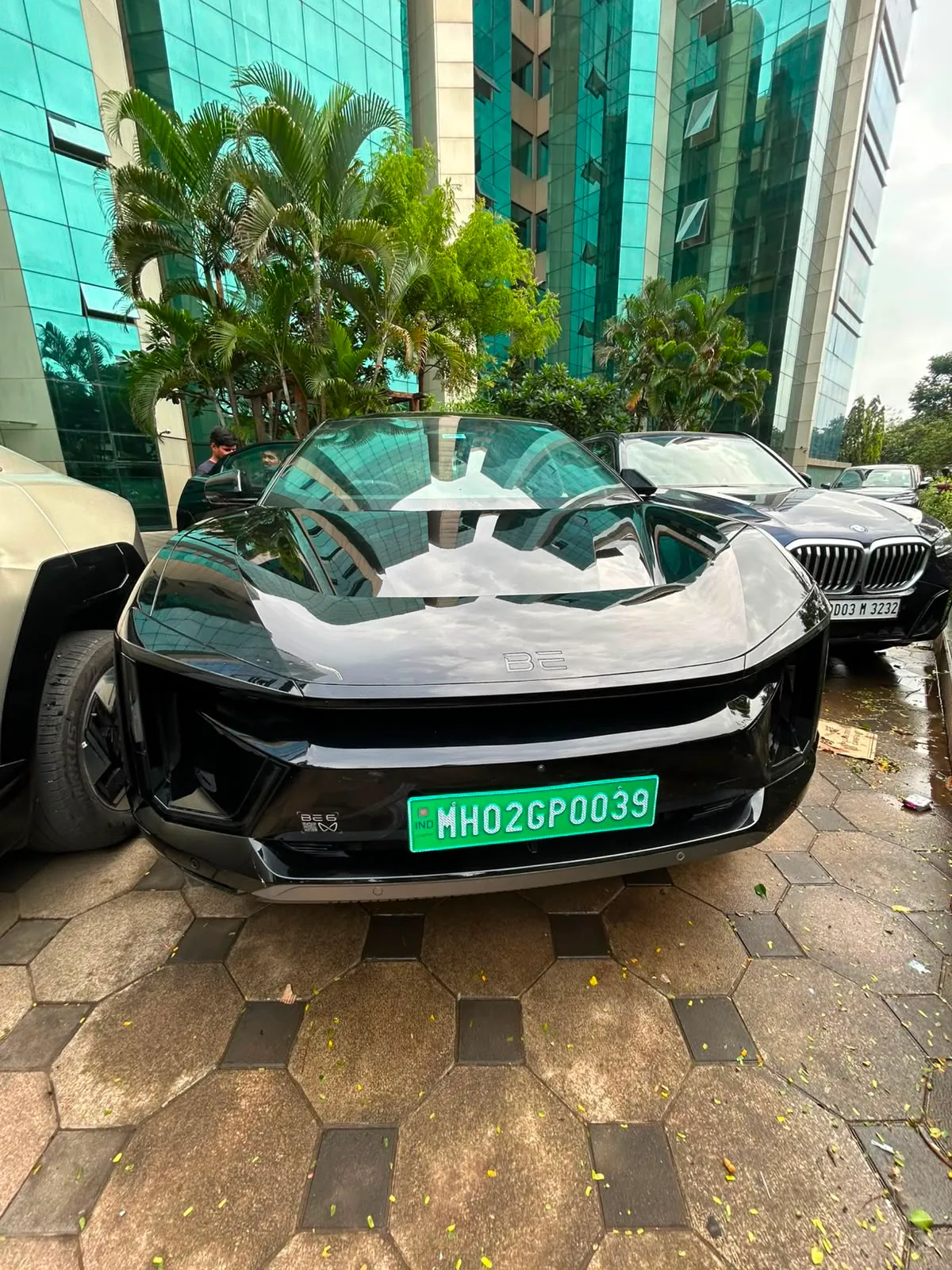
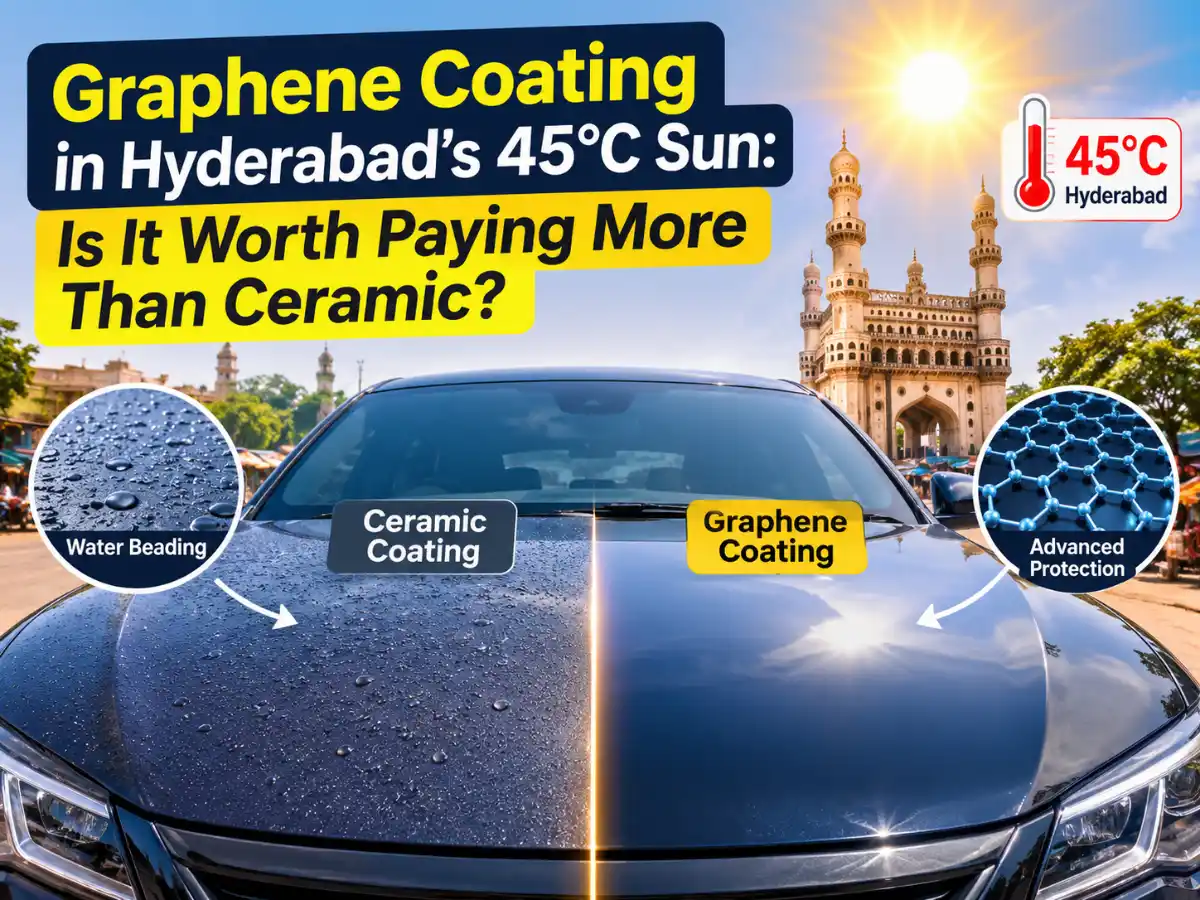
Graphene Coating in Hyderabad’s 45°C Sun: Is It Worth Paying More Than Ceramic?
Hyderabad ceramic coating guide11 min read

Graphene Coating in Hyderabad’s 45°C Sun: Is It Worth Paying More Than Ceramic?

By Royal Royce Team

Quick answer: A graphene coating is a ceramic coating with a small amount of graphene, usually reduced graphene oxide, added. Its most credible advantage is somewhat less water spotting; gloss, UV protection and water beading are similar to good ceramic. In India it typically costs about ₹8,000 to ₹13,000 more than ceramic at mid-range prices. Choose it if water spots bother you and you’ll keep the car five years; otherwise a good ceramic does the job.

“Graphene” is the word on every detailing banner in Hyderabad right now. It sounds like a leap forward: a wonder material, stronger than steel, heat-conducting, the next generation after ceramic. The price reflects that. So it’s worth asking plainly what you’re paying extra for, and whether Hyderabad’s summers change the answer.

Here’s what graphene coating actually is, what it does better (and what it doesn’t), what it costs, and how to decide.
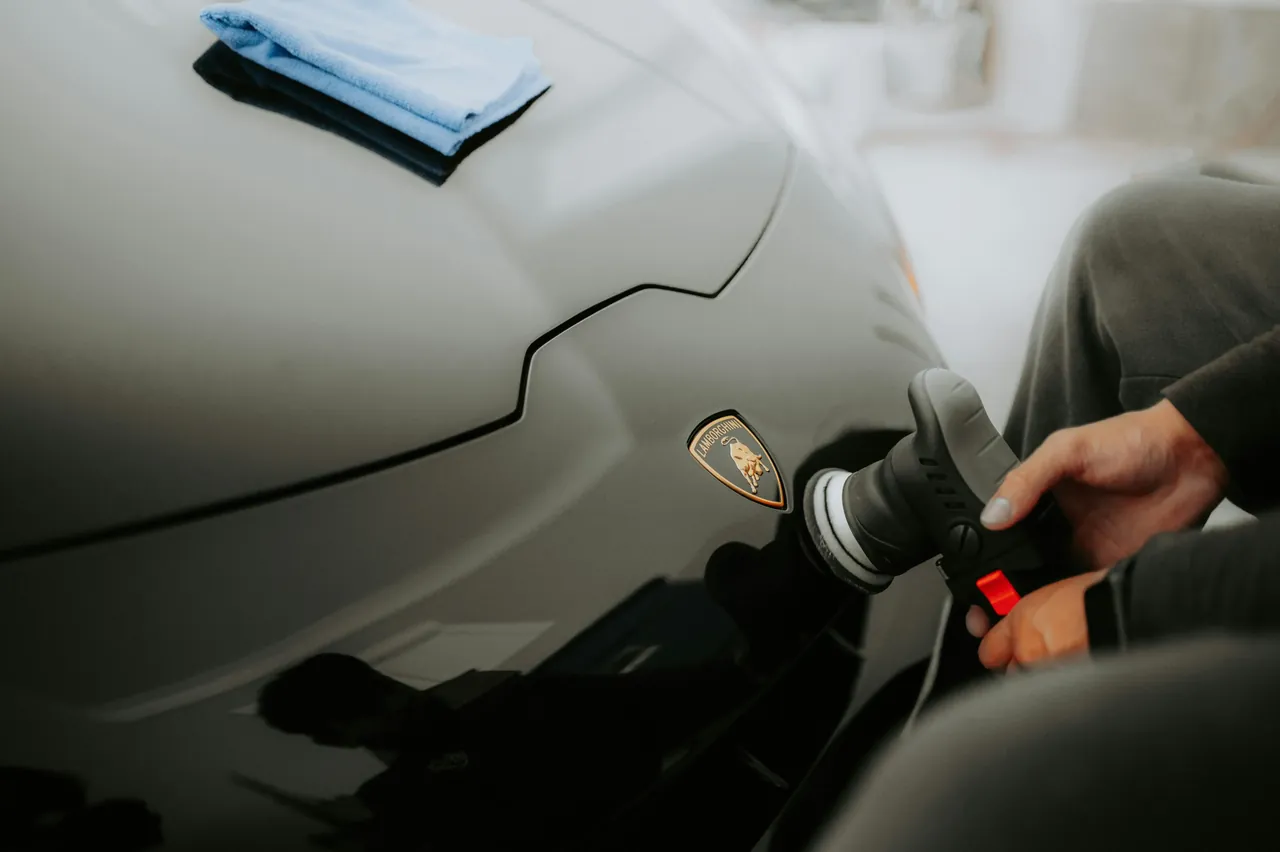
Full car spa service in progress01

What is a graphene coating?

A graphene coating is built on the same chemistry as a ceramic coating: a silica-based resin in a solvent, which bonds to your clear coat and hardens into a thin, transparent layer. The difference is an additive, a form of graphene, mixed into that resin.

It’s not the pure, single-layer graphene you read about in science news. As Detailed Image explains, most detailing products use reduced graphene oxide (rGO), and in tiny amounts; they cite roughly 0.01 g of rGO in a 50 ml bottle, because the solvent can only hold so much before the coating becomes too sticky to apply. The rest of the bottle is essentially a ceramic coating.

That doesn’t make graphene coatings fake. It means the honest comparison is “ceramic coating” versus “ceramic coating with an additive”, not “old technology” versus “new technology”.

Car detailing service in progress02

Graphene vs ceramic coating: what’s really different

Ceramic coating

Graphene coating

Base chemistry

Silica (SiO2) resin

Silica resin plus a small amount of graphene, usually rGO

Gloss and UV protection

Good

Similar

Water beading

Strong

Similar

Water spotting

Can spot if hard water dries on it

Often marketed as spotting less; one side-by-side test showed about 50% fewer spots

Slickness

Slick

Often feels slicker

Heat handling

Good

Marketed as better at spreading heat; evidence mixed

Realistic life in India

3 to 4 years for a pro 9H coating

3 to 5 years

Price, sedan (2026 market)

₹18,000 to ₹25,000

₹25,000 to ₹35,000

Durability figures are VahanBazaar’s realistic estimates for Indian conditions; prices are Motomotar’s 2026 survey. Both are discussed below.

The water-spot claim

This is graphene’s strongest selling point, and the most believable one. Detailed Image ran a side-by-side roof test for 30 days and found one graphene product showed about 50% less water spotting than uncoated paint and than another graphene coating. That’s one car and one month, and results varied a lot between products, so they were careful not to generalise.

Read that as: some graphene coatings do resist spotting better. Not all, and not completely. You’ll still need to dry the car after washing.

The heat claim

Graphene is famous for conducting heat, so graphene coatings are often marketed as “dispersing heat” across the panel, which supposedly reduces hot spots, water-spot baking and heat stress. It sounds tailor-made for Hyderabad.

The evidence is thinner than the marketing. Detailed Image notes that the thermal conductivity of the finished coating can actually be lower than ceramic’s, depending on the base ingredients. And Dr. Beasley’s, a coatings maker that chose not to use graphene (so read it with that in mind), argues that the lab properties depend on continuous graphene sheets, while consumer coatings use fragmented particles that tend to clump, making graphene “more of a marketing differentiator than meaningful structural reinforcement” at these concentrations.

Our take: don’t buy graphene for heat protection alone. Any good coating, ceramic or graphene, protects the clear coat from UV and contaminants in a Hyderabad summer. Where you park matters far more for heat than which additive is in the bottle.

Car detailing service in progress

Get a quote for Ceramic Coating in Hyderabad

Get your quote in minutes on WhatsApp.

Get my quote
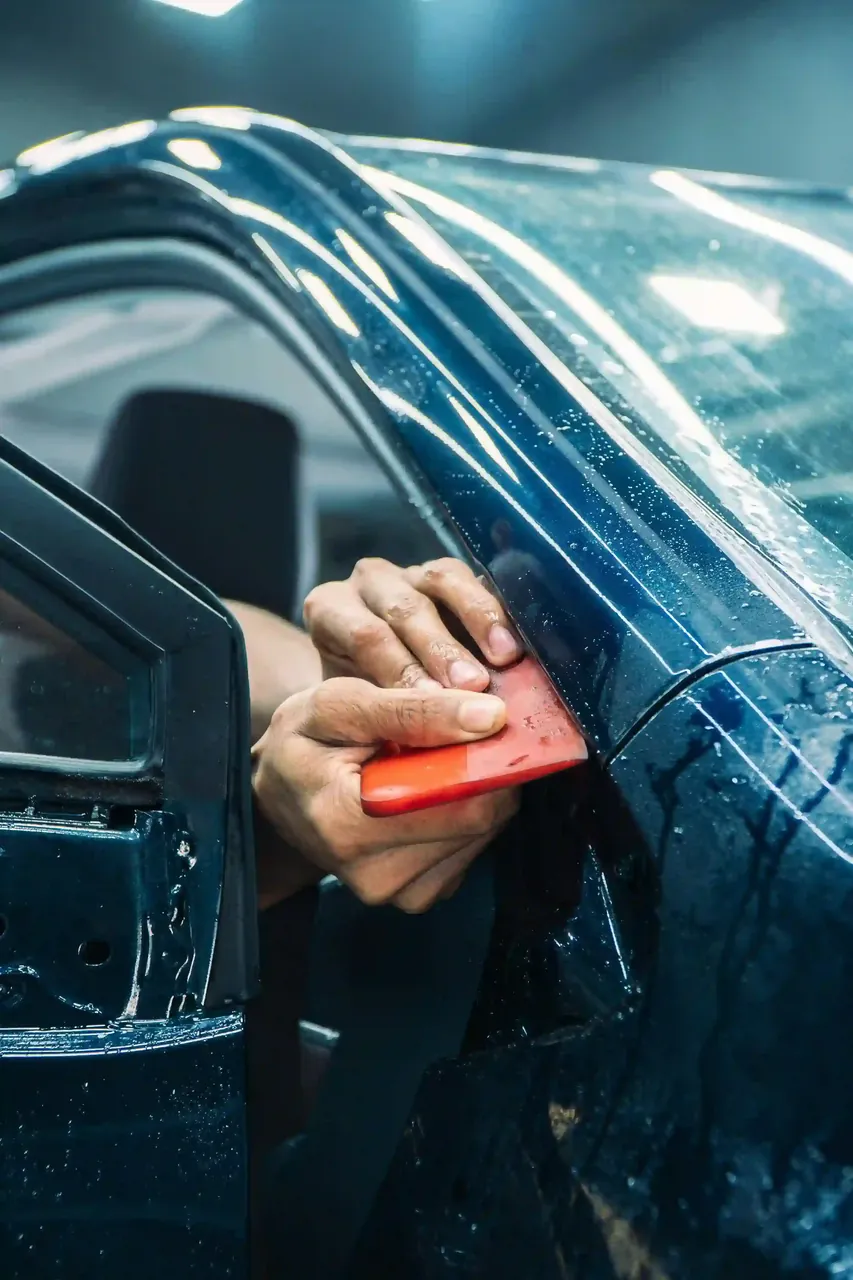
Paint protection film being applied to a car03

How Hyderabad’s summer treats car paint

It’s still worth understanding the problem the coating is solving. In May 2026, Hyderabad touched 45 to 46°C, per VahanBazaar. Paint panels in direct sun get much hotter than the air. In field tests of automotive clear coats, the American Coatings Association recorded panel temperatures of 174°F (about 79°C), with sudden drops when clouds or rain arrived, and found etching from acidic residue was worst in hot, sunny conditions.

So a Hyderabad car parked outside faces:

  • UV and heat that slowly oxidise and fade paint (our paint oxidation guide explains what that looks like)

  • Water spots that bake in quickly when wash water or a pre-monsoon shower dries in the sun

  • Construction dust from the fast-growing west of the city, which scratches when wiped off dry

  • Bird droppings and tree sap, which etch faster on hot paint

Any proper coating, ceramic or graphene, helps with all four. Graphene’s possible edge is the second one.

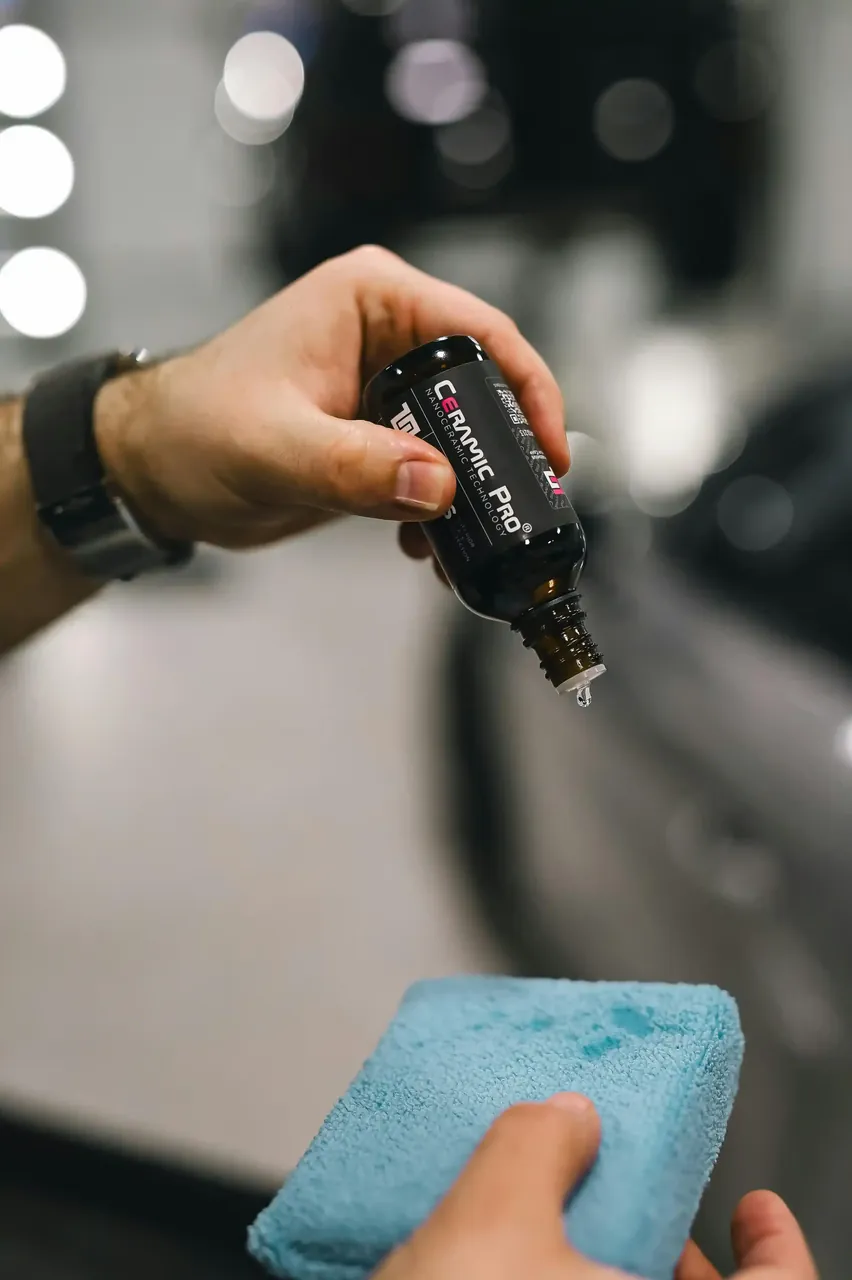
Ceramic coating being applied to a car04

How much does graphene coating cost?

Independent 2026 India ranges from Motomotar:

Car size

Ceramic coating (9H)

Graphene coating

Difference at mid-range

Hatchback / compact SUV

₹12,000 to ₹15,000

₹20,000 to ₹24,000

About ₹8,500 more

Sedan / mid-size SUV

₹18,000 to ₹25,000

₹25,000 to ₹35,000

About ₹8,500 more

Full-size SUV / luxury

₹25,000 to ₹40,000

₹35,000 to ₹55,000

About ₹12,500 more

Motomotar notes graphene jobs often involve heavier paint correction and a longer cure, three to five days. VahanBazaar estimates annual upkeep for a graphene-ceramic hybrid at ₹6,000 to ₹10,000, and realistic life at three to five years against shop claims of five to seven.

So the extra cost is real but not huge across a five-year ownership. Whether it’s worth it depends on whether the water-spot benefit matters to you.

For a full breakdown of ceramic tiers, see our ceramic coating price guide.

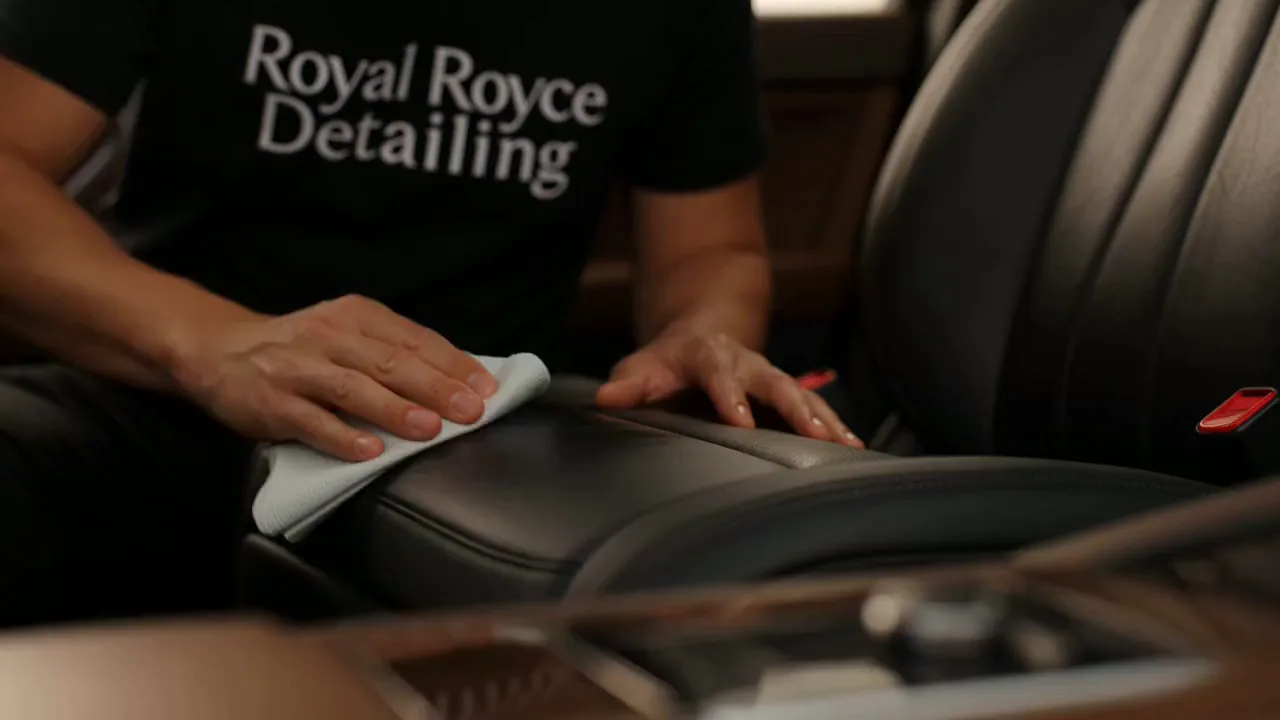
Royal Royce Detailing service05

Who should choose graphene, and who shouldn’t

Graphene coating makes sense if you:

  • Wash the car with hard borewell or tanker water and keep fighting water spots (see our water spots guide)

  • Have a dark-coloured car where spots and swirls show clearly

  • Park outside and will keep the car five years or more

  • Like the slick feel and want the newest option, knowing the extra benefit is modest

Stick with a good ceramic coating if you:

  • Want the best value per rupee

  • Park in a covered basement most of the time

  • Plan to sell the car within three or four years

  • Have soft water, or a cleaner who always dries the car

Consider PPF instead, or as well, if you:

  • Drive the ORR or highways daily and get stone chips

  • Own a premium car whose original paint you want to keep for resale

Neither ceramic nor graphene stops chips. Our PPF vs ceramic coating guide covers that choice.

Full car spa service in progress06

Questions to ask before you pay for graphene

Because graphene in coatings isn’t regulated and quality varies widely by brand, ask:

  1. Which brand and product exactly? Ask for the product name, not just “graphene coating”, and look it up.

  2. What form of graphene, and how much? A serious supplier can tell you.

  3. What paint correction is included? As with ceramic, the coating seals in whatever is underneath.

  4. How many layers, and how long is the cure? Expect the car to stay for more than a day.

  5. What does the warranty cover, and what maintenance does it require?

  6. What’s the price difference from your ceramic package, and what exactly does it buy?

A studio that answers all six clearly is one you can trust with the choice, whichever way you go.

Car detailing service in progress07

The prep matters more than the additive

We’ll say it plainly: a well-applied ceramic coating on properly corrected paint will look and perform better than a graphene coating rushed onto swirled, spotted paint. The decontamination wash, clay, machine polishing and panel wipe decide the result. Make sure you’re paying for that work first. Our paint correction service is the starting point for most coating jobs.

Paint protection film being applied to a car08

What the extra cost works out to per year

Looking at the upfront difference alone makes graphene seem expensive. Spreading it over ownership gives a clearer picture.

Take a sedan. At mid-range prices, the graphene coating costs about ₹8,500 more than a pro ceramic coating. If both are maintained properly and the graphene lasts toward the upper end of its realistic range, that difference spreads over roughly five years: about ₹1,700 a year, or around ₹140 a month.

Upkeep is similar. VahanBazaar estimates ₹5,000 to ₹8,000 a year for maintaining a pro 9H ceramic and ₹6,000 to ₹10,000 for a graphene-ceramic hybrid. So you’re not signing up for a much more expensive routine.

Put that way, the question becomes simple: is noticeably less water spotting, and possibly a slicker finish, worth about ₹140 a month to you? For an owner who washes a black car with borewell water every week, often yes. For someone with a white car in a covered basement, probably not.

Ceramic coating being applied to a car09

Looking after a coating through a Hyderabad summer

Whichever coating you choose, these habits decide how long it lasts here:

  • Wash in the early morning or evening. Never on a panel that’s hot to the touch; water and shampoo dry into spots within seconds in May.

  • Dry the car every time. A plush drying towel or a blower. This matters more than which coating you bought.

  • Rinse off dust before touching the paint. Construction dust from the western suburbs is abrasive.

  • Remove bird droppings and sap the same day. Heat speeds up etching even on coated paint.

  • Use pH-neutral shampoo only. Strong detergents and some roadside wash chemicals wear coatings quickly.

  • Top up yearly. A booster or maintenance layer after the summer restores beading and slickness.

  • Park in shade where you can. It slows UV damage to the coating itself as well as the paint beneath.

Our Hyderabad summer car care guide covers the cabin side of the same season.

Full car spa service in progress10

Graphene and ceramic coating in Hyderabad with Royal Royce

Royal Royce offers both ceramic and graphene coatings. Coating needs a clean, controlled space to bond and cure, so we do it at the studio, with pick-and-drop in Hyderabad (and in Delhi NCR, Mumbai and Bangalore): we collect the car from your home or office in areas like Kondapur or the Financial District, and bring it back once it has cured. Regular washing afterwards happens at your doorstep across Hyderabad.

If you’re not sure which you need, we’d rather look at the car and tell you honestly than sell you the more expensive option. See our ceramic coating page, our guide to Hyderabad summer car care, or contact our Hyderabad branch. If you’re in Bangalore, the same decision is covered in is ceramic coating worth it in Bangalore.

Car detailing service in progress11

Sources

Ceramic coating being applied to a car

Get a free Hyderabad quote

3 details. We call you back. No spam.

Frequently asked questions

What is graphene coating?

A ceramic coating with a small amount of graphene, usually reduced graphene oxide, added to the silica resin. It bonds to the clear coat like ceramic.

Is graphene coating better than ceramic coating?

It’s similar in gloss, UV protection and beading. Its most credible advantage is somewhat less water spotting, and it often feels slicker.

How much does graphene coating cost in India?

About ₹20,000 to ₹24,000 for a hatchback, ₹25,000 to ₹35,000 for a sedan and ₹35,000 to ₹55,000 for a large SUV, per 2026 surveys.

How long does graphene coating last?

Realistically three to five years in Indian conditions with proper care, against shop claims of five to seven.

Does graphene coating protect against heat?

It protects the clear coat from UV and contaminants like any good coating. Claims that it spreads heat better are not well proven.

Does graphene coating prevent water spots?

Some products reduce them; one side-by-side test showed about 50% fewer spots. None prevents them completely, so dry the car after washing.

Is graphene coating worth it in Hyderabad?

If water spots are your main problem and you’ll keep the car five years, it can be. For best value, a good ceramic coating does most of the job.

Is graphene coating just marketing?

Not entirely. Graphene coatings work, but they are mostly ceramic coatings with an additive, and quality varies by brand. Judge each product, not the label.

Can graphene coating be applied at home?

Prep can start at home, but coating needs a clean, controlled space to bond and cure. Royal Royce applies coatings at the studio with pick-and-drop.

Does Royal Royce offer graphene coating in Hyderabad?

Yes. We offer both graphene and ceramic coatings, applied at the studio with pick-and-drop in Hyderabad, Delhi NCR, Mumbai and Bangalore.

Explore our services

See all →

Where we work

4 cities
Mumbai
CityMumbai
Delhi NCR
CityDelhi NCR
Bengaluru
CityBengaluru
Hyderabad
CityHyderabad
Royal Royce Detailing service

Ready for Ceramic Coating in Hyderabad?

Free quote in minutes.

Get quote on WhatsAppCall us