Paint protection options worth asking about before you book
9H ceramic coating vs PPF: what each protects against
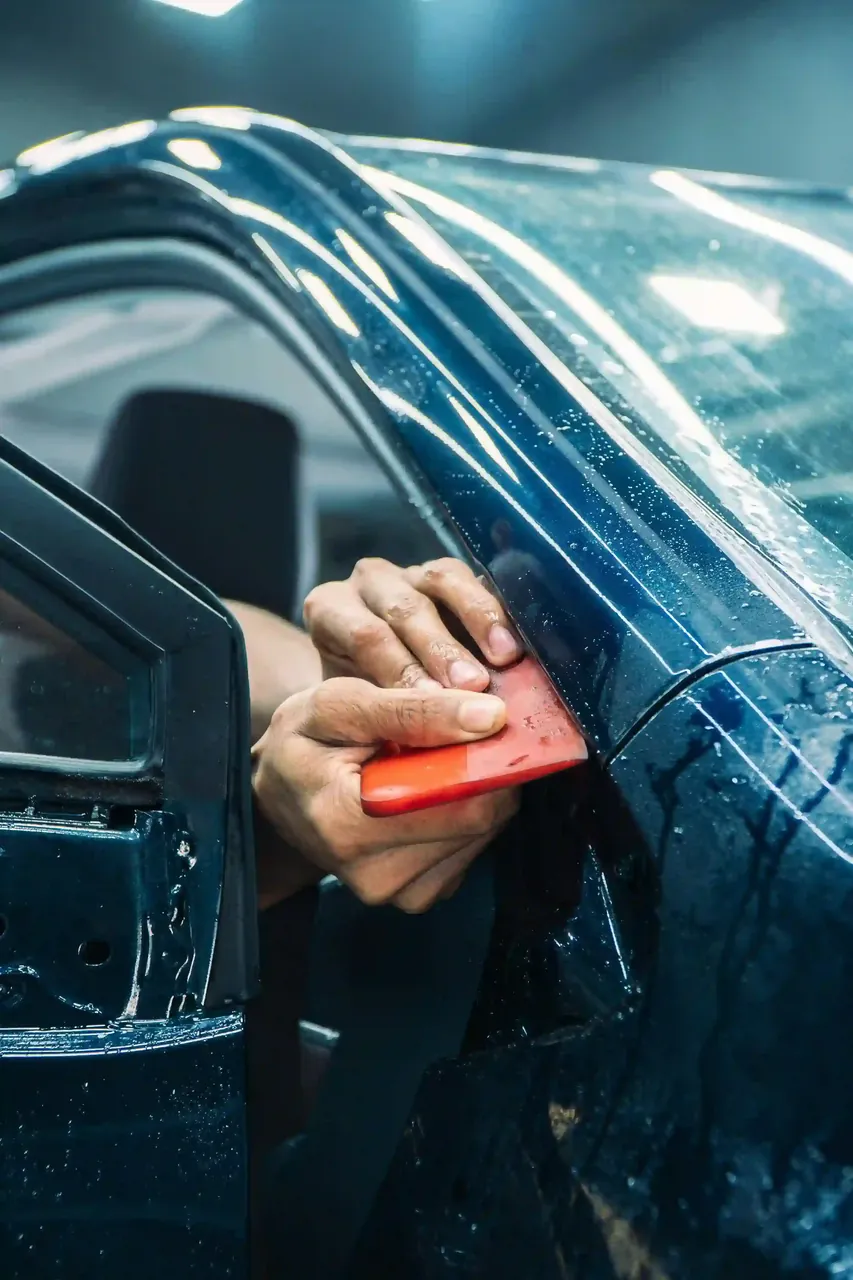
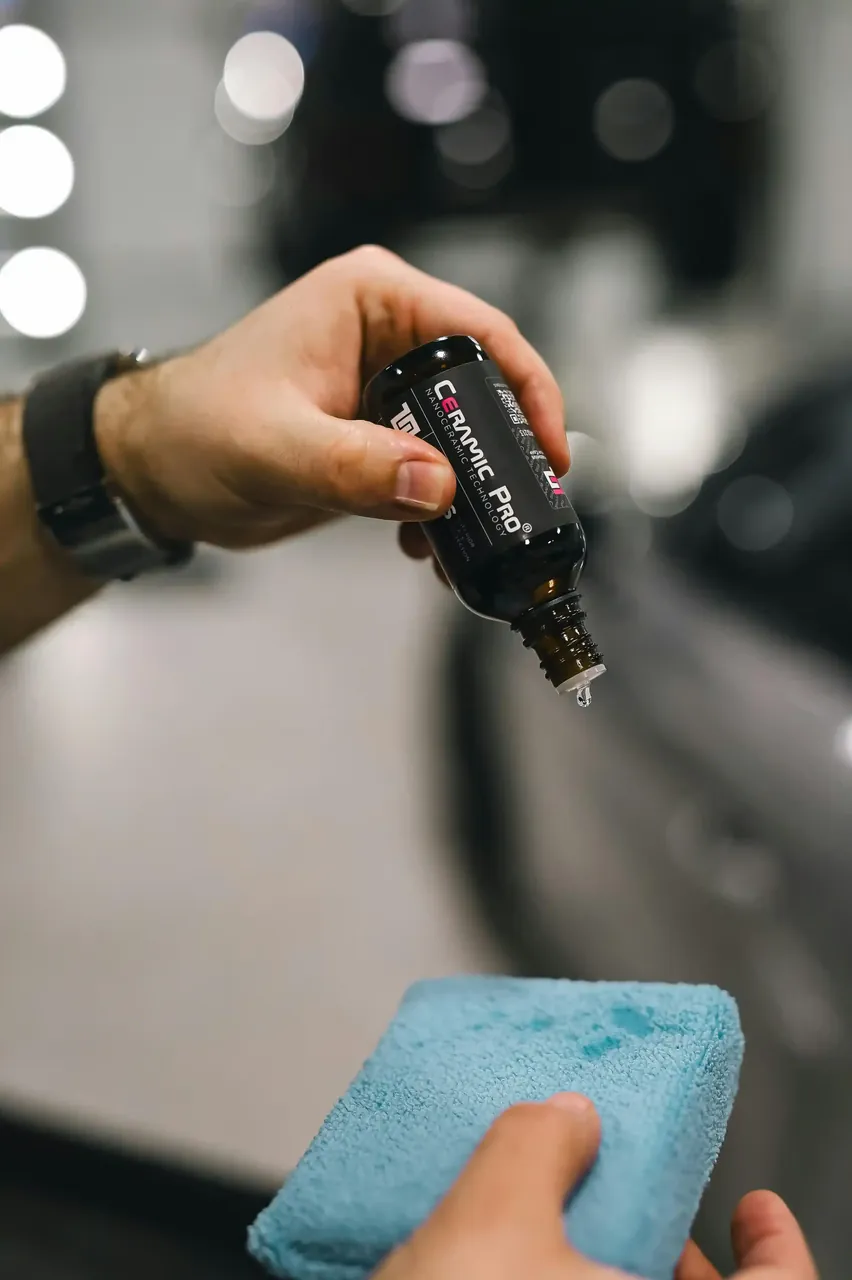
These are two distinct categories of protection, and understanding the difference helps you choose what your car actually needs. A 9H ceramic coating creates a long-lasting, hydrophobic glass-like shield, when applied and maintained correctly, that repels water, UV radiation, industrial pollution, and hard-water staining. It bonds chemically to the paint and provides durable protection for the clear coat. PPF is a selfhealing physical film that absorbs scratches, stone chips, and abrasion, making it the stronger choice for high-impact zones or full-body cover on cars that spend time on highways or in heavy urban traffic.
Both require application in a controlled environment. Temperature, humidity, and surface preparation all affect whether the protection bonds correctly and lasts as long as the product specification promises. Neither should ever be applied at a roadside wash bay.
Why paint correction must come first
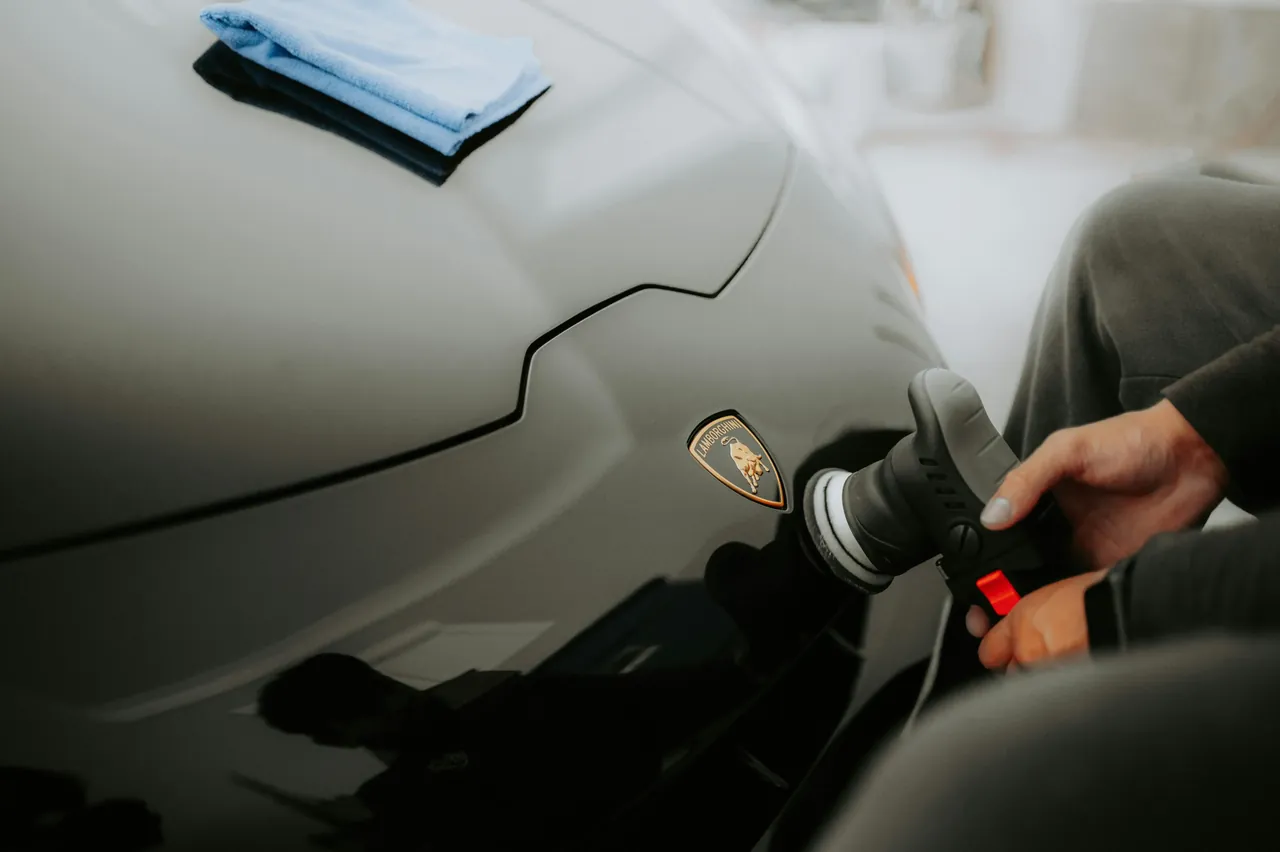
Applying ceramic coating or PPF over uncorrected paint seals in swirl marks, scratches, and imperfections permanently. A multi-stage machine polish to restore a mirror-like finish is the required step before any protective coating goes on. The technician must work through the full sequence, wash, chemical and mechanical decontamination, compounding, polishing, and a final panel wipe, before any coating goes on.
Before booking any provider who claims to offer ceramic coating, ask specifically about their decontamination and correction process. If they propose to apply a coating directly after a wash without any polishing steps, the protection will not deliver the results they are promising, and the damage from sealing in existing defects is irreversible without stripping the coating.