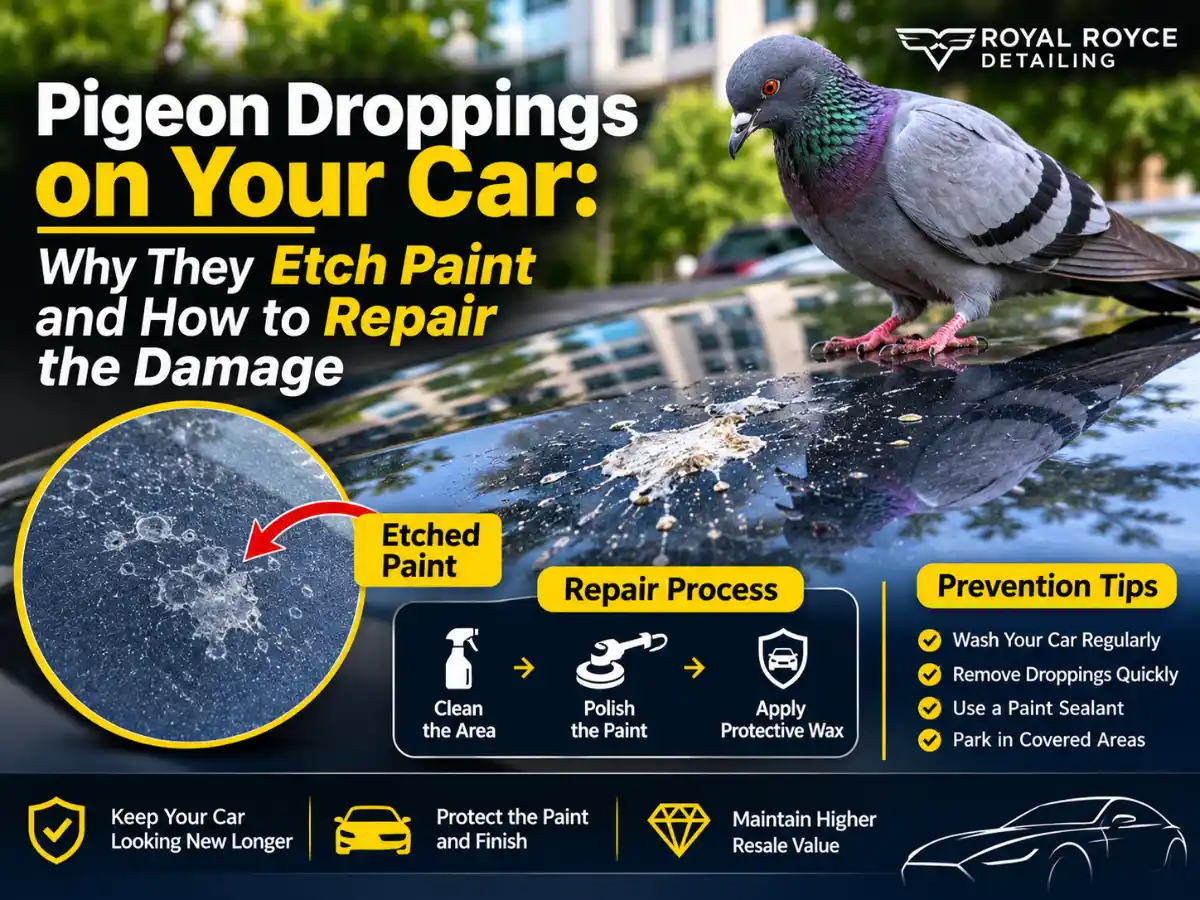
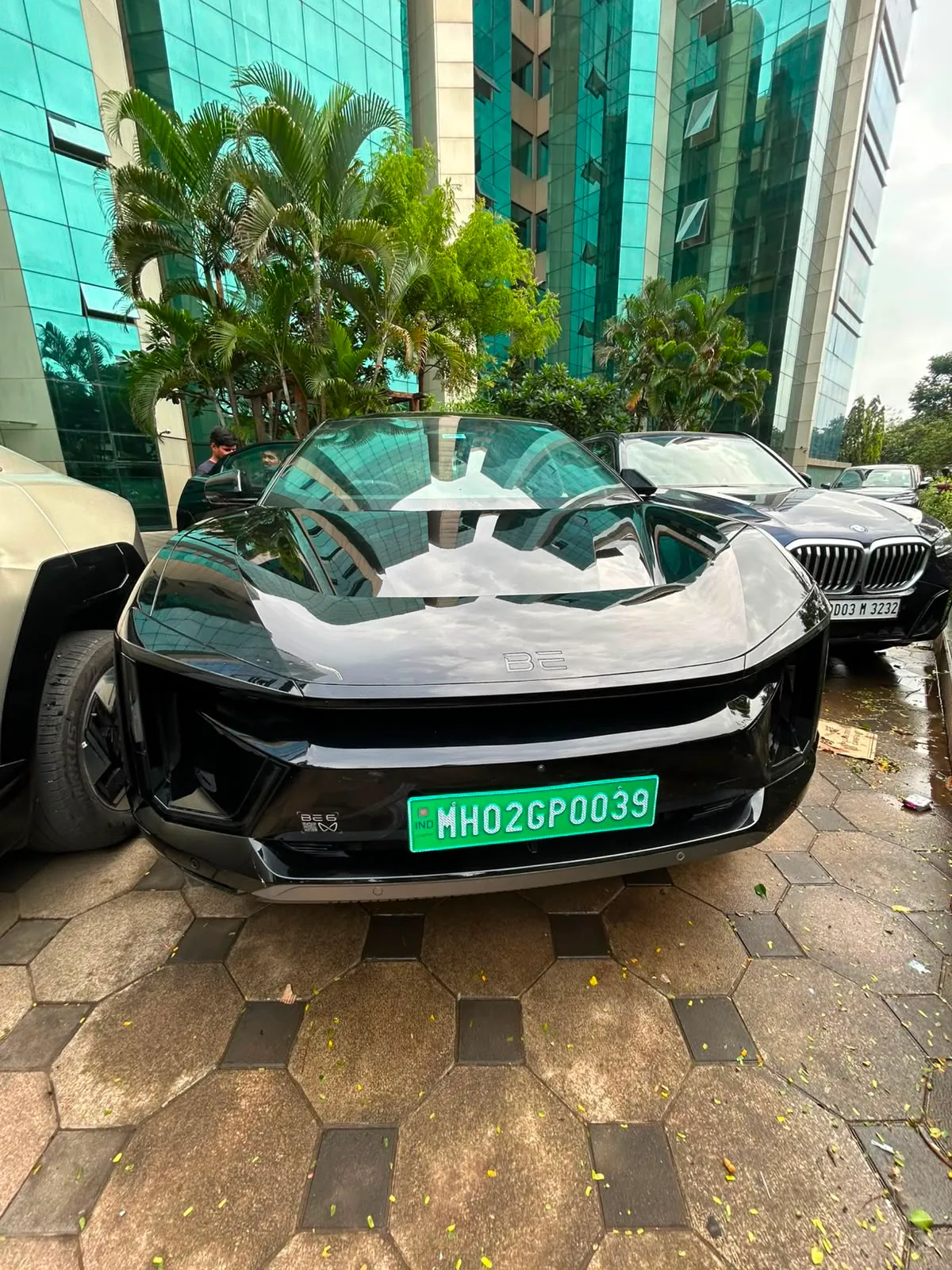
Quick answer: Bird droppings on a car are acidic and gritty. In Mumbai’s heat they can leave a dull, sunken mark in the clear coat within days. Soften fresh droppings with a soaked microfibre for a few minutes, then lift them off without rubbing. Light etch marks polish out; deep ones that break through the clear coat need a paint repair.
If you park anywhere near a building ledge, an AC outdoor unit or a tree in Mumbai, you know the routine. You walk down in the morning and there’s a fresh white splash on the bonnet. You’re late, so it stays there. By the weekend it has dried into a crust, and when you finally wipe it off, a faint cloudy outline stays behind on the paint.
That outline is the problem. It isn’t a stain on the surface. It’s a dent in the clear coat. Here’s why that happens, how to remove bird droppings without making it worse, and what can and can’t be repaired.
 02
How bird droppings damage car paint
Three things happen, and the third is the one people miss.
1. The acid. Bird droppings are acidic. Detailing sources quoted by Autobuzz put them at roughly pH 3 to 4.5, in the same range as vinegar or cola. The acid attacks the top of the clear coat.
2. The grit. Pigeons eat grain, seeds and whatever they find on the street, so their droppings carry hard particles. Wipe a dry dropping with a tissue and you drag that grit across the paint, adding scratches around the mark.
3. The heat cycle. This is what turns a stain into an etch. Clear coat expands slightly when the sun heats the panel and contracts as it cools. A dropping sitting on a bonnet in the afternoon sun is in contact with softened, expanded paint. As the panel cools in the evening, the clear coat tightens around the residue and the mark sets in. Repeat that for a few days and you get a permanent, dull, slightly sunken outline.
It’s the same pattern the American Coatings Association found in field tests of acid etching on automotive clear coats: damage got worse with heat and sunlight, and the acid concentrated as moisture evaporated. Their researchers noted that once etch marks formed, washing didn’t remove them.
So the honest rule is simple. A dropping removed the same day almost never leaves a mark. One left through three hot days often does.
 06
How to stop bird droppings damaging your paint
You can’t stop pigeons. You can shorten the time a dropping sits on bare paint, and you can put something between the dropping and the clear coat.
Change where you park
Look up before you park. In a society, the worst spots are directly below ledges, window grills and AC outdoor units, and next to the building wall where pigeons roost. Even one bay further out can halve the droppings. If you have a fixed spot under a ledge, it’s worth asking the society about bird netting or spikes on the ledges above the parking, which many Mumbai buildings already use.
Put a protective layer on the paint
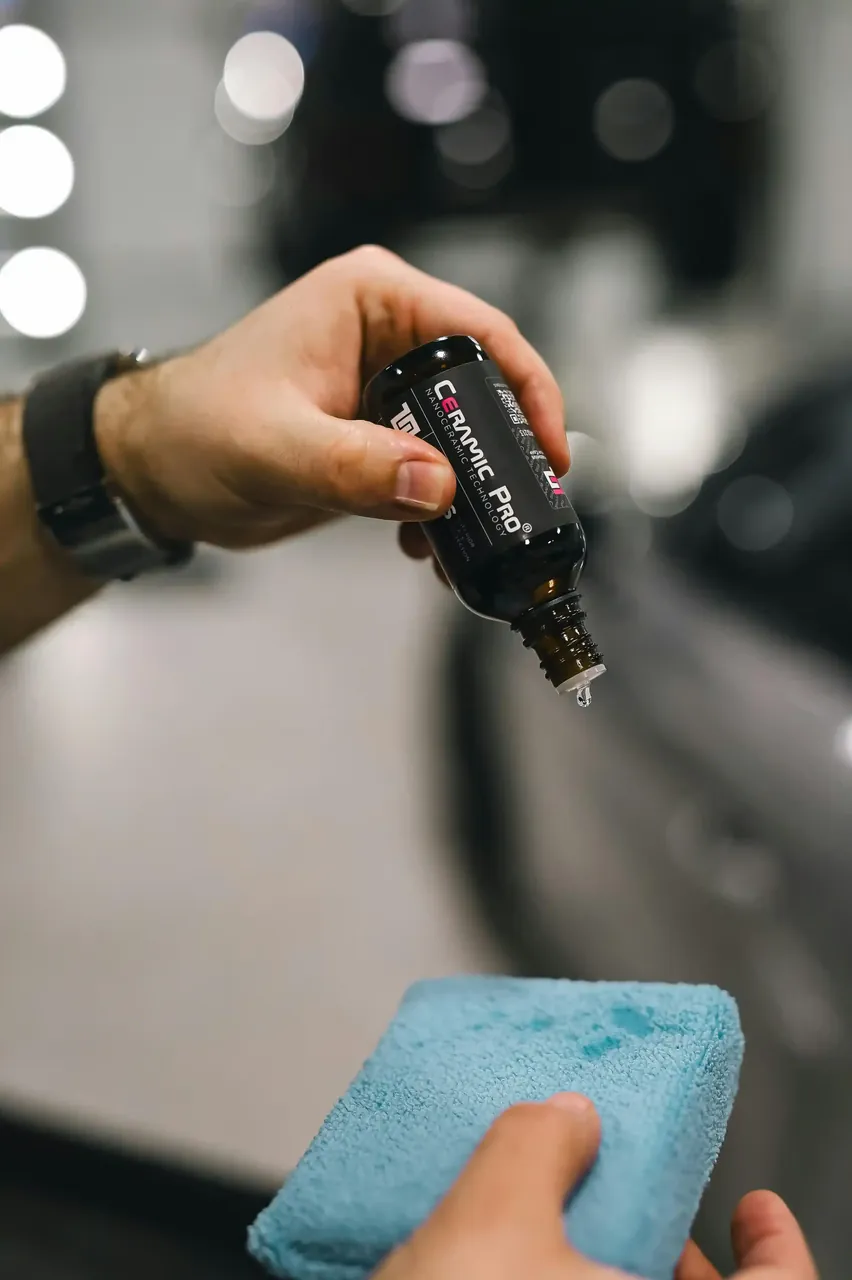
A ceramic coating doesn’t make paint immune, but it buys you time. The coating is harder and more chemical-resistant than bare clear coat, and droppings don’t bond to it as firmly, so they lift off more easily. You still need to remove them quickly in summer, but a dropping you miss for a day is far less likely to leave a mark. Our ceramic coating price guide explains what each tier costs and lasts.
If a coating isn’t in the budget, a spray sealant every two to three months gives a thinner, shorter-lived version of the same protection.
Use a cover, carefully
For a car parked under a ledge for days at a time, a breathable, well-fitted cover stops droppings reaching the paint at all. Put it only on a clean car and strap it down, or it’ll scratch more than it saves. Our guide to choosing and using a car cover is written for Delhi dust, and the same rules apply in Mumbai, with one addition: use a breathable cover in the monsoon, because a waterproof one traps humidity.
Wash on a rhythm
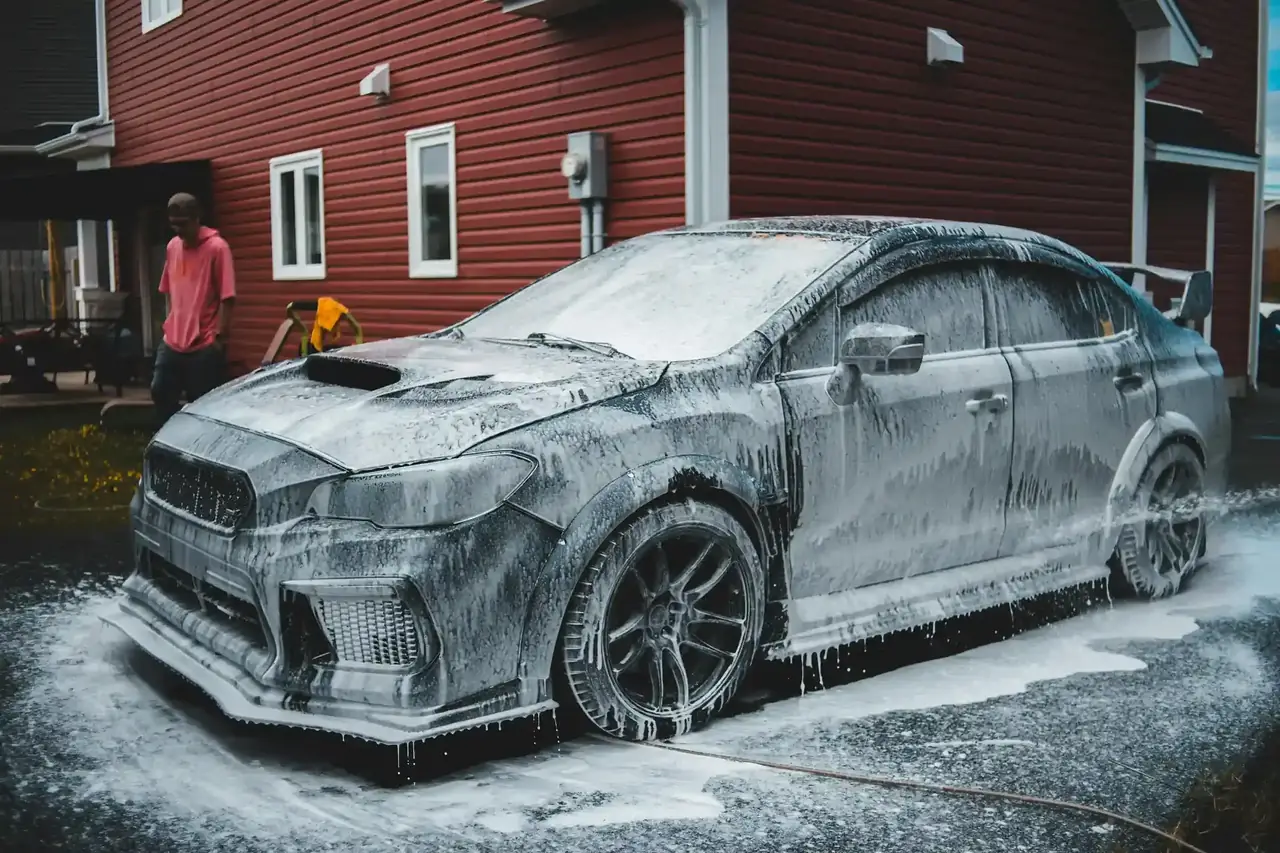
Regular washing catches droppings you didn’t notice. A weekly doorstep wash at your society or office, with a pre-rinse and pH-neutral shampoo, keeps most droppings from sitting long enough to etch. See how our doorstep exterior cleaning in Mumbai works.
Frequently asked questions
Can bird droppings damage car paint?
Yes. They’re acidic and gritty. Left in the sun for a few days, they can etch a permanent dull mark into the clear coat.
How quickly do bird droppings damage paint?
It depends on heat. A dropping removed the same day rarely leaves a mark. One left through several hot days often etches the clear coat as it heats and cools.
How do I remove bird poop from my car without scratching it?
Lay a soaked microfibre over it for five to ten minutes, then lift it straight off. Repeat if needed and finish with a gentle wipe. Never use dry tissue.
Can I use water and a tissue to clean bird droppings?
Use water, but swap the tissue for microfibre. Tissue breaks up, holds grit and scratches the paint around the mark.
How do I remove bird dropping stains from car paint?
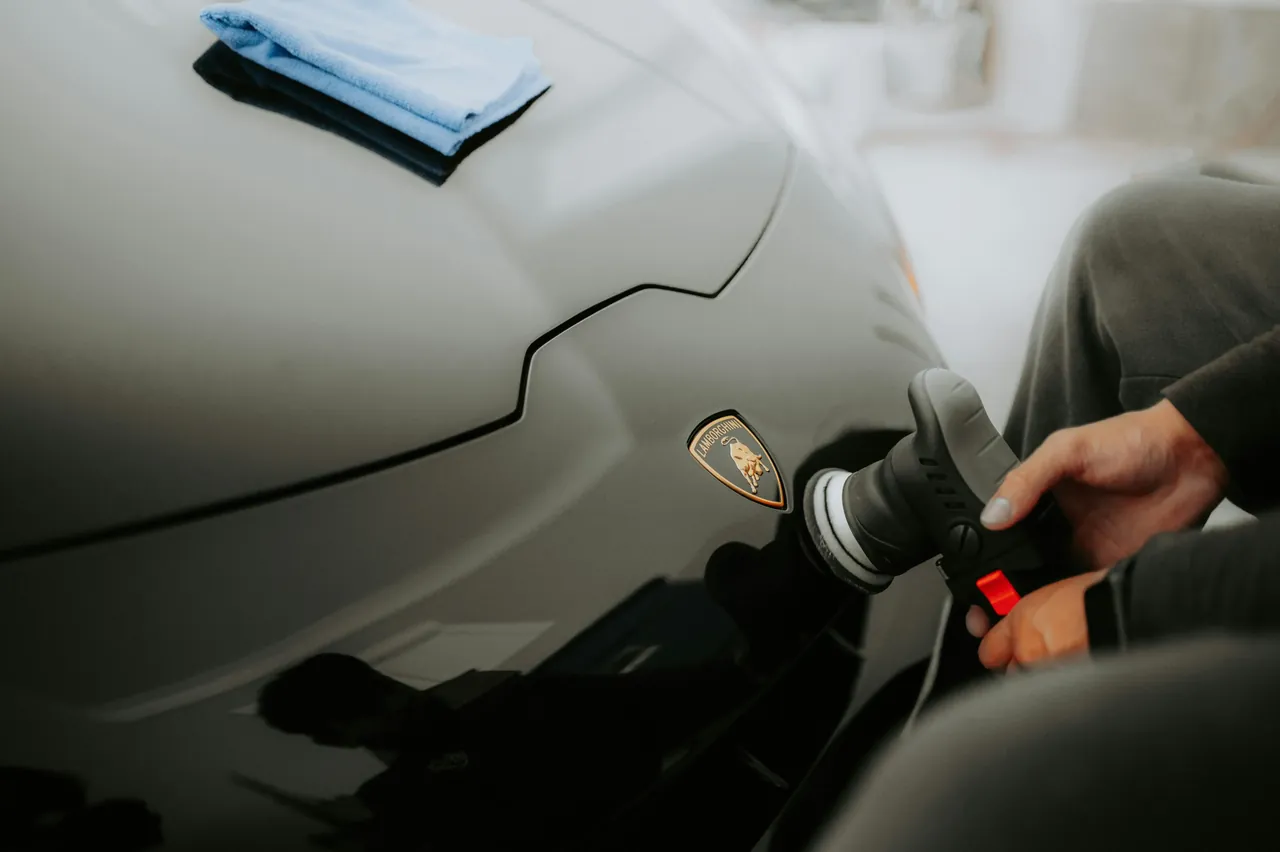
If a dull mark remains after cleaning, the clear coat is etched. Light etching polishes out with a machine polisher; deep etching needs a paint repair.
Does ceramic coating protect against bird droppings?
It helps. Droppings bond less firmly and the coating resists chemical etching better than bare clear coat, which buys you time. It doesn’t replace prompt removal.
Does rain wash bird droppings off the car?
Partly. Rain often softens and spreads the top of the dropping while the residue touching the paint stays. Check and clean after rain.
Are pigeon droppings harmful to clean?
Dried droppings can be a lung irritant. Wet them before removing, avoid brushing or blowing dry dust, and wear a mask and gloves for heavy soiling.
Can a car cover stop bird droppings?
Yes, for a parked car. Use a breathable, well-fitted cover on a clean car and strap it down so it doesn’t rub the paint.
Does Royal Royce offer pick-and-drop for paint correction?
Yes. Paint correction and coatings are done at the studio, with pick-and-drop in Mumbai, Delhi NCR, Bangalore and Hyderabad. Washing and cleaning are done at your doorstep.